Unseen Eyes: Navigating Privacy and Security with Flock Cameras
Flock's cameras can zoom in close enough to read your phone screen, and the researcher who found more than 50 vulnerabilities in the network behind them lost his job for saying so. This is what surveillance at national scale looks like without oversight.
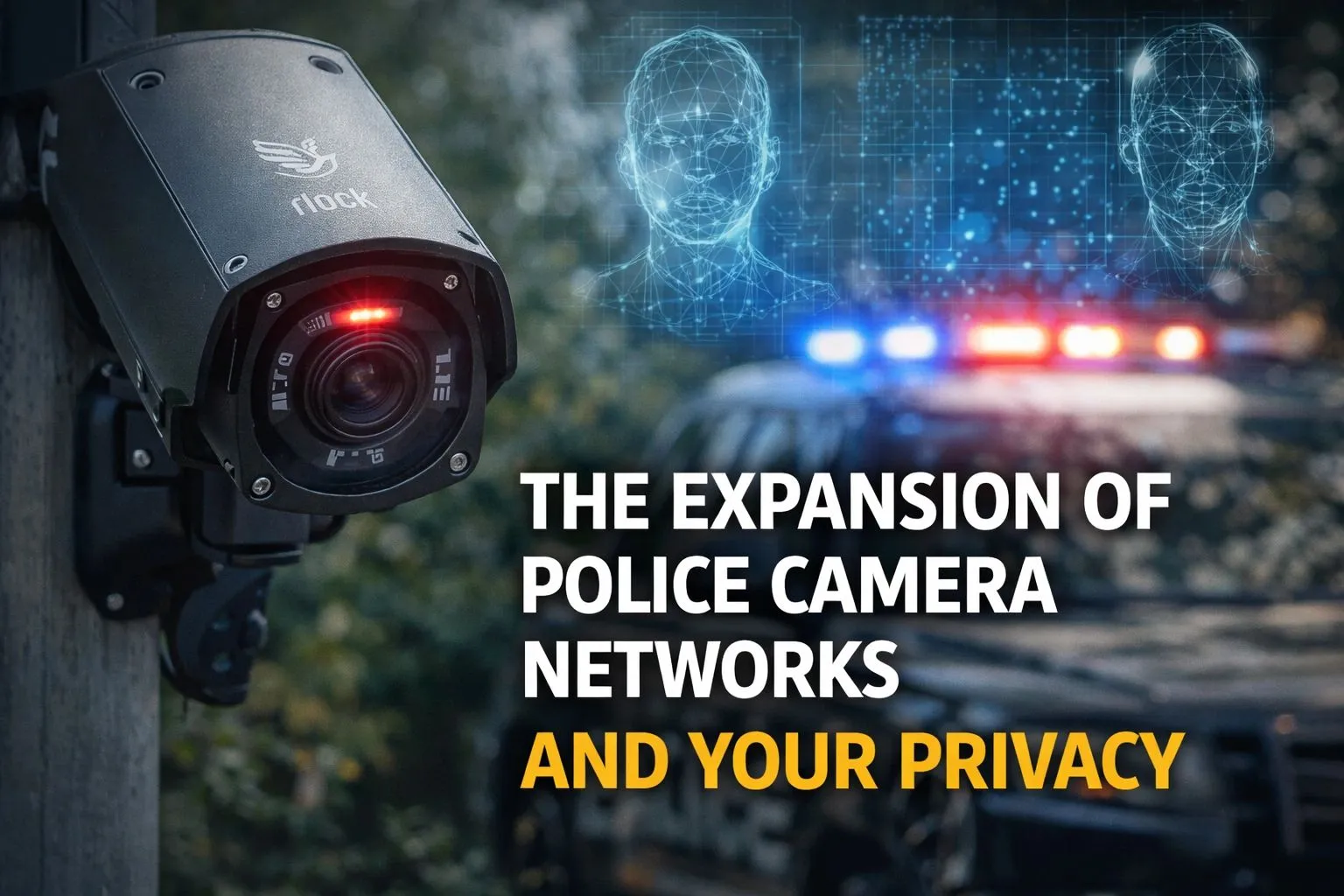
Happy New Year, 2026 is here! As we step into a new year, it’s crucial to reflect on the technological landscape and its impact on our lives. I’m Sedric Louissaint, a cybersecurity expert, and this year I have a goal to be vocal on the privacy and cybersecurity issues. Today, I want to cover an urgent issue: the privacy and security concerns surrounding Flock cameras. As Benn Jordan said, “The Flock Camera Leak is Like Netflix for Stalkers”.
In the realm of technology, the line between innovation and privacy invasion becomes increasingly blurred with each advancement. Take Flock’s PTZ cameras, for instance. These devices are not your everyday street cameras. They have the capability to not only zoom in on people passing by but also read what’s on their phone screens. While these features might sound like something out of a high tech thriller, they are very much a reality today. This reality raises significant concerns about privacy and security that we simply cannot ignore.
The Unsettling Power of Flock Cameras
Imagine walking down the street, blissfully unaware that a camera is not only capturing your image but also peering into your digital world. This is the unsettling power that Flock cameras wield. As discussed in a recent podcast episode by 404 Media, these cameras are equipped with AI technology that can zoom in with such precision that they can make out the details on your phone screen. This capability, while impressive from a technological standpoint, poses a serious threat to personal privacy.
Benn Jordan and Jon Gaines have disclosed vulnerabilities in Flock’s systems that exacerbate these privacy concerns. Gaines revealed over 50 vulnerabilities that resulted in complete remote privileged access to License Plate Readers (LPRs) and the sensitive data they collect. Alarmingly, these cameras are deployed all over the United States, with the potential to reveal the real-time location of all police cruisers on patrol. Such vulnerabilities highlight the urgent need for addressing security flaws before they become a widespread threat.
Despite Gaines’ efforts to collaborate with Flock and the government to patch these issues, he faced termination of his employment instead. This incident underscores the troubling lack of accountability and responsiveness in handling critical security concerns, further emphasizing the need for regulation and oversight in the tech industry.
The Need for Oversight and Regulation
In our race to innovate, it’s crucial that we don’t lose sight of ethical considerations. The deployment of Flock cameras and similar technologies demands stringent oversight and regulation. Without these safeguards, we risk creating a surveillance state where individual freedoms are compromised under the guise of innovation and security.

Imagine a world where every step you take is monitored, every interaction recorded, and every digital transaction scrutinized. This isn’t a dystopian future; it’s a plausible outcome if we continue down this path without implementing proper checks and balances. The key to preventing this scenario lies in proactive regulation that addresses privacy concerns while still allowing for technological advancement.
Consequences of Inaction
If we fail to introduce and enforce adequate regulations, the consequences could be dire. Not only could personal privacy be eroded, but the very fabric of trust that underpins society could be undermined. People need to feel secure in their personal spaces, both physical and digital. If trust is lost, we risk creating a culture of fear and suspicion, where individuals are constantly on edge about being watched and their personal information being exposed.
Furthermore, without regulation, there’s a risk of technological monopolies where companies like Flock could hold significant power over public spaces and personal data. This concentration of power without accountability could lead to abuses that are difficult to control once they become entrenched.
A Call to Action
As we stand at this crossroads, the call to action is clear: WE NEED MORE oversight and regulation in the tech industry. This isn’t about stifling innovation; it’s about guiding it in a direction that respects individual rights and societal norms. Policymakers, technologists, and the public must come together to create frameworks that ensure technology serves the public good without compromising personal privacy.
It’s also crucial that we, as consumers, demand transparency and accountability from tech companies. By staying informed and voicing our concerns, we can influence the direction of technological development and ensure that it aligns with our values. Additionally, we need to reach out to our legislators to push for robust oversight and regulation in this area.
Balancing Innovation with Responsibility
While Flock cameras represent a leap in technological capability, they also highlight the importance of balancing innovation with responsibility. As we continue to push the boundaries of what’s possible, we must remain vigilant about the potential implications for privacy and security. By fostering a culture of oversight and accountability, we can harness the power of technology to enhance our lives without compromising our fundamental rights.
For those interested in delving deeper into this topic, I highly recommend checking out the references below.
Connect with Me
Stay connected and join the conversation about privacy, security, and technology:
References
- 404 Media Podcast: We Tracked Ourselves with Exposed Flock Cameras
- Benn Jordan’s YouTube Channel: Benn Jordan on YouTube
- Jon Gaines Security Whitepaper: Whitepaper Link
- Flock Safety: Flock Safety Website